SMALL HABITS · HEALTHIER SMILES
Plaque Control.
A foundation for healthy teeth and gums.
Learn how to remove plaque each day and understand its role in cavities and gum disease. Explore practical guidance, videos and trusted resources.
ONE DAILY HABIT · TWO IMPORTANT BENEFITS
What is dental plaque?
Plaque is a sticky film of bacteria that forms on teeth. Removing it regularly is a key part of protecting both teeth and gums.
Plaque + sugar → acid attacks
Bacteria use sugars to produce acids that weaken enamel and can lead to cavities. Removing plaque, using fluoride toothpaste and reducing frequent sugar exposure all help protect your teeth.
Plaque build-up → inflammation
Plaque around the gumline can cause red, swollen or bleeding gums. Daily cleaning and professional assessment help you manage gum health.
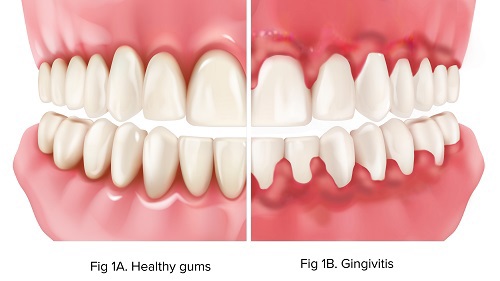
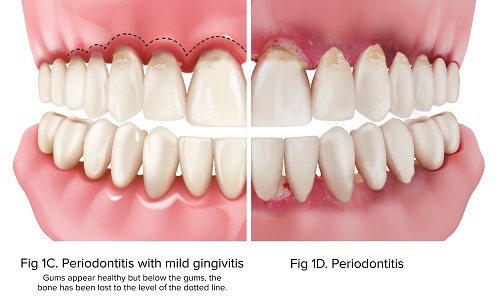
Read the ADA explanation of these illustrations ↗
Your daily foundation: brush gently twice a day with fluoride toothpaste, clean between teeth daily, and ask us to check your technique. Regular dental visits help identify problems and provide care that brushing alone cannot.
Brush gently, twice a day.
Brush for two minutes in the morning and at night, using a soft-bristled brush and fluoride toothpaste. Clean the inside, outside and chewing surfaces of your teeth.
A manual or electric brush can be used. Avoid pressing hard; ask your dentist or hygienist to show you a technique suited to your mouth. Replace your brush about every three months, or sooner if the bristles are worn.
ADA brushing guide ↗Reach the spaces your brush misses.
Clean between your teeth every day. Floss or a suitable interdental brush can remove plaque from spaces a toothbrush cannot reach.
Ask us which tool and size are right for you, especially if you have bridges, implants or braces. We can demonstrate how to use it gently.
ADA flossing guide ↗It’s also how often you have sugar.
Bacteria in your mouth use sugars from food and drink to produce acids that attack tooth enamel. Frequent sugary snacks or sipping sugary drinks throughout the day mean repeated acid attacks.
Choose water as your everyday drink, limit sugary snacks and drinks, and check labels for added sugars. Fruit juice, honey and syrups can also contribute to decay. Fresh fruit is a more tooth-friendly choice than juice or dried fruit.
ADA diet and tooth-decay guide ↗Understand cavities.
Tooth decay develops when repeated acid attacks weaken the tooth. Over time, damaged tooth structure may need a filling.
Early decay can sometimes be managed before a cavity develops. Regular dental visits help identify changes and guide a prevention plan. Brushing with fluoride toothpaste and cleaning between teeth are important daily steps.
Explore check-ups & general dentistry →Give your gums attention.
Plaque can inflame the gums, causing redness, swelling or bleeding. More advanced gum disease can damage the tissues and bone supporting teeth.
Brush gently, clean between teeth and arrange a dental assessment if you notice bleeding, persistent swelling, bad breath or loose teeth. Don’t assume bleeding is normal. Your dentist can assess the cause and explain the care you need.
Healthdirect gum-health guide ↗Make it personal.
Your routine may need adjusting for children, dry mouth, implants, orthodontic treatment or recovery after a procedure. Ask our team for advice that fits your circumstances.
For recovery after treatment, follow the instructions your clinician has given you.
WATCH & LEARN
See the techniques.
These freely available videos are linked from the ADA’s Teeth.org.au education library. Choose a video to open it on YouTube.
REFERENCES & USEFUL LINKS
Trusted information, when you need it.
Australian Dental Association
Practical oral-health guidance, illustrations and factsheets.
ACT public dental information
Canberra Health Services provides information about ACT public dental services and eligibility.
ACT dental services & eligibility ↗Healthdirect
Australian health information about dental cleaning and gum disease.
References checked 14 October 2026. Ask your dentist how this general guidance applies to you; follow your individual instructions after treatment.
QUESTIONS ARE WELCOME
Let’s talk about your oral health.
Bring your questions to your next visit. We can explain brushing techniques, discuss your habits and help you understand your treatment options.